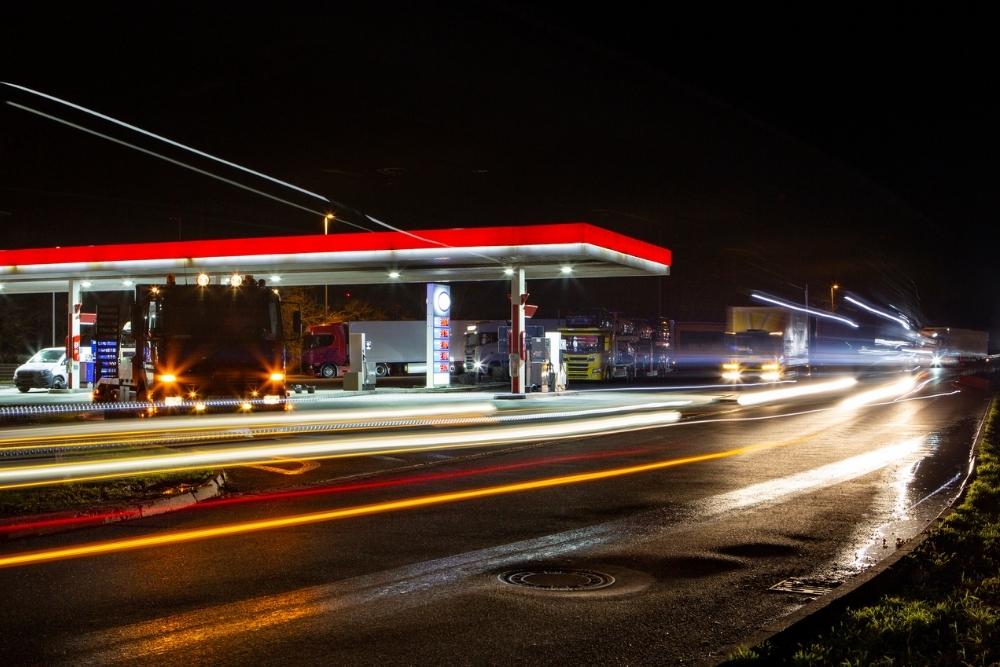
As a general rule, you probably do not expect your local gas station to be offering dangerous drugs for sale. But it turns out that a range of products frequently available in gas stations, smoke shops, and other locations are, in fact, quite dangerous. The nickname that has been applied to these products, “gas station heroin,” gives a good sense of the danger.
The term “gas station heroin” refers to a product containing tianeptine or 7-hydroxymitragynine (more commonly known as 7-OH). The marketing of these products is often misleading—and it certainly does not make it clear that the drugs in question are powerful opioids.
Let’s take a closer look at “gas station heroin” as we encourage you to steer clear of the products that contain these dangerous substances.
Clearing Up Some Confusion Around Kratom
We want to start by making an important distinction. Many of the problematic products that fall under the gas station heroin banner are advertised as kratom or as containing “natural kratom extracts.” That is misleading, at best. It is critical to note that native kratom leaf generally does not contain detectable amounts of 7-OH. That does not necessarily mean that kratom is safe, but the reality is that 7-OH is 30 times more potent than morphine (while kratom leaf decidedly is not). Any 7-OH product that markets itself as kratom is masking a host of dangers.
7-OH is a synthetic drug—not something found in nature. Again, we are not making a case for kratom use (which is classified as a controlled substance in Indiana), but we do want to be clear that 7-OH is not the same thing—no matter what it might say on a product’s packaging.
Gas Station Heroin Has Caught the Eye of Regulators
Both tianeptine and 7-hydroxymitragynine are increasingly being recognized as public health hazards. In fact, Indiana law has prohibitions against both. The Food and Drug Administration (FDA) has made a recommendation that 7-OH products should be included under the Controlled Substances Act. In a media release, the FDA stated its concerns clearly:
The availability of 7-OH products is a major concern for the FDA, as consumers can easily purchase them with concentrated levels online and in gas stations, corner stores, and vape shops. The FDA is particularly concerned with the growing market of 7-OH products that may be especially appealing to children and teenagers, such as fruit-flavored gummies and ice cream cones. These products may not be clearly or accurately labeled as to their 7-OH content and are sometimes disguised or marketed as kratom.
It would, of course, be wonderful if laws and regulations could ensure that no one had access to these dangerous drugs, but, of course, many people—especially in states where they are not regulated—can acquire them with ease. The results can be truly awful.
The Dangers of These Drugs
We have noted that gas station heroin is often marketed in ways that conceal what it actually is and what dangers might be associated with it. But we want to reiterate that deceptive marketing—such as calling the products “dietary supplements” or giving them innocuous-sounding names like “Za Za”—can easily lead someone astray.
And the results of being fooled can be absolutely devastating. We have written about the dangers of opioids and opiates in several previous entries, including here, here, and here.
The dangers of using these sorts of drugs are plentiful because they chip away at your mental health (they can, for example, contribute to depression, anxiety, fear, and/or confusion) and your physical health (they can, for example, cause headaches, slow your heart rate, and lead to difficulty breathing).
Once you have developed a substance use disorder centered around gas station heroin, you will be hard-pressed to give up the drugs due to severe withdrawal symptoms, including intense cravings and other difficulties. Those challenges will likely send you back to the drugs for relief—and so you find yourself caught in a trap.
It is best, then, not to start using these products—even if you find them sitting innocently on your local gas station’s shelves. The dangers are high, and the benefits are nonexistent (no matter what the packaging claims).
Indeed, gas station heroin use has been linked to death—just like other opioids. That, in and of itself, should be enough of a warning to avoid these products.
We Are Here to Help
At Wooded Glen Recovery Center, located in Henryville, Indiana, we provide personalized treatment for substance use disorders and co-occurring mental health disorders. Our team of highly trained experts relies on evidence-based practices to help you leave drugs or alcohol behind and to prepare you to start your recovery journey with confidence. The Wooded Glen staff is wholly devoted to improving the lives of those we serve—and that means you will never experience judgment while pursuing treatment.
When you are ready to reclaim your life from drugs or alcohol, we are here to help—and you can count on us to provide ongoing resources and support as your recovery gets underway.