You have probably noticed that sometimes it seems that as soon as you solve one problem, another one pops up. It can feel like you just can’t catch a break, right?
Unfortunately, this sort of one thing after another situation can apply to substance use disorders, too. While it would be amazing if you could start your recovery journey confidently knowing that you will not face any addiction-adjacent issues in the future, the truth is that substitute addictions can be a real problem for people who have done the hard work of leaving drugs or alcohol behind.
What exactly is a substitute addiction? We’re glad you asked. We are going to share some examples in the hope that this post will help you recognize a potential substitute addiction before it becomes a significant problem. Let’s jump in.
Surveying Potential Substitute Addictions
You could probably guess some of the activities and behaviors that can lead to a substitute addiction. Others might surprise you. If you think you are developing a problem, it is important to talk with your therapist or doctor.
Here’s an overview of potential substitute addictions.
- Gambling: When a bet pays off, you are likely to feel a real rush—a rush not unlike the one drugs used to provide. When a bet goes the other way, the feeling is quite different. The rush of winning and the letdown of losing can cause a person to keep chasing the high. Soon enough, an addiction to gambling can arise. And since the gambling industry is predicated on the notion that you will lose more than you win, you might soon find yourself in a financial crisis.
- Work: You might think no one could possibly develop an issue around work. After all, who wants to spend any more time on the job than they have to? But some people do find themselves getting to work early, working through lunch, staying late, taking work home, and focusing on job tasks through the weekend. It might be a kind of distraction, but it can also be a substitute for drugs or alcohol as you seek to accomplish more and more.
- Sex: Having sex in the context of a loving relationship or in a friends-with-benefits sort of situation is, generally speaking, healthy enough. But some people in recovery can end up using sex as a substitute for drugs or alcohol. After all, sex provides pleasure—something that may have been part of a person’s reliance on substances. If the need for sex starts to feel compulsive, you are likely looking at a substitute addiction.
- Shopping: Here’s another case where an activity can provide a kind of high to replace the one you used to get by using substances of one kind or another. Hunting up a bargain or completing a collection or what have you can feel good. But as shopping shifts toward a substitute addiction, it can bring financial consequences that can be hard to overcome.
- Exercise: We are big fans of regular exercise as a key pillar of your recovery from a substance use disorder. But it can be taken too far. If you find yourself working out all of the time—perhaps even to the point of injury—it is time to consider whether you have developed a substitute addiction.
- Video games: Here is yet another activity that can provide highs as you immerse yourself in a game and its objectives. Winning or clearing a level can feel great—but if you find yourself chasing that feeling all of the time and giving up sleep or other healthy pursuits to just keep gaming, it is time to consider whether a problem is developing.
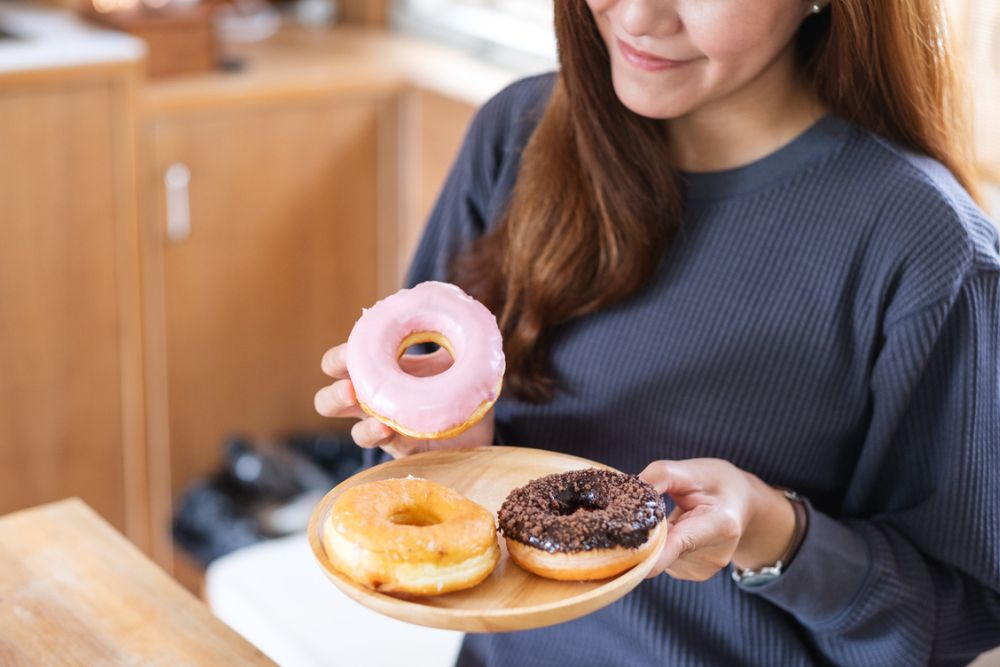
- Sugar: Most of the things we have mentioned above substitute emotional highs (and often lows). Sugar, on the other hand, can provide a physical high just like a drug can. As a result, you can come to crave sugar in the same way you craved drugs or alcohol. Being mindful of your sugar intake is a good practice in recovery.
- Caffeine: It is a little odd to talk about caffeine intake as a substitute addiction because caffeine is, itself, a drug. Still, it belongs on this list as a substance that some people in recovery might turn to in order to fill the void once occupied by other substances. Keeping an eye on your caffeine consumption is worthwhile.
Accept No Substitute for Getting the Help You Need
Located in Henryville, Indiana, Wooded Glen Recovery Center helps individuals leave drugs or alcohol behind. It may be tempting to try to give up substances on your own, but that approach is no substitute for getting high-quality treatment grounded in evidence, expertise, experience, and empathy.
We will see you through medically supervised detoxification and a robust rehabilitation program that can also address co-occurring mental health disorders. When your time in treatment comes to an end, you can still count on Wooded Glen Recovery Center to provide support and resources through our alumni program—which will also keep you connected to others who understand what you have overcome and what challenges you are facing now.
If you are ready for real, effective, personalized help overcoming a substance use disorder and starting your recovery, we are always ready to help.