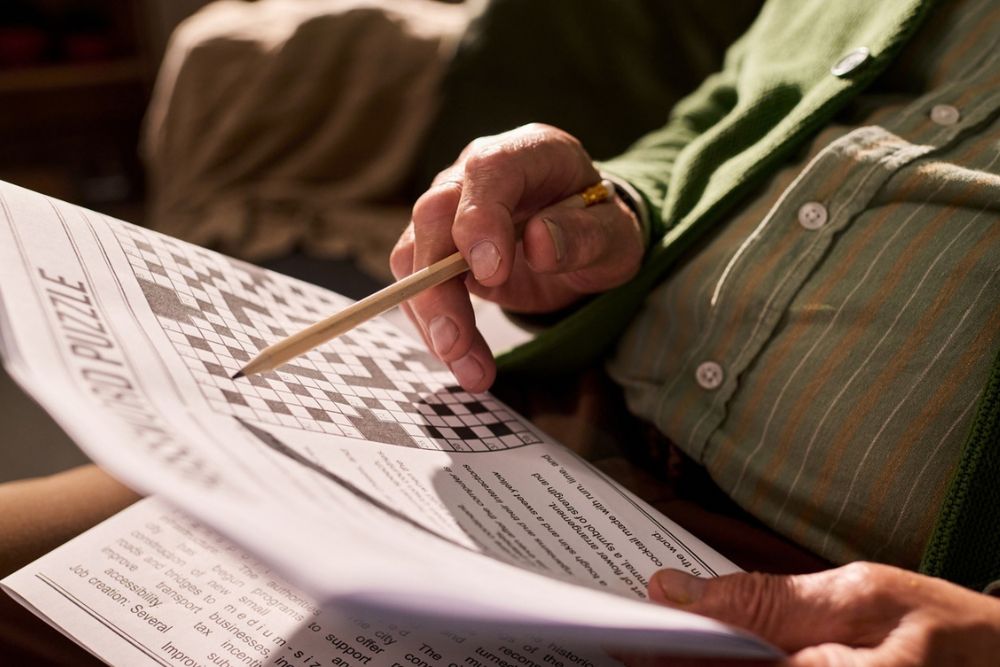
Some people love to solve crossword puzzles. They find it very satisfying to solve all the clues and fill in a grid until it is complete. They might work a puzzle every day, be devoted to the Sunday puzzle in The New York Times, or pack a book of puzzles whenever they are traveling. It is a quiet, engaging pastime that can make the solver feel smart—or at least clever.
Some people hate to solve crossword puzzles. They find the clues to be opaque and so struggle to fill in a grid. They might be aware of crossword puzzles in the daily paper, online, or in collections at the local bookstore, but they do not engage with them. They find crossword puzzles to be a frustrating pastime that can make the solver feel dumb—or at least uninformed.
You might fall into one of those categories, or you might be a person who can simply take or leave a crossword puzzle when you have a chance to tackle one. No matter your opinion when it comes to these puzzles, you might benefit from considering some lessons that crosswords can teach that can be applied to your recovery journey.
Let’s start filling in the metaphorical puzzle.
You Might Need to be Flexible When it Comes to Finding an Answer
Most solvers, no matter how good they are, run into clues that they simply cannot solve for one reason or another. Maybe the answer is a piece of trivia they just do not know. Maybe the structure of the clue is throwing them off. Maybe the right answer is simply eluding them at the moment.
Fortunately, when a solver is stuck, they can turn to the crossing answers to get some help. Can’t figure out five across? What if you solve the clues for the down answers that intersect with it? Get a few letters that way and you may arrive at the solution to the difficult clue. Having some flexibility when you get stuck is a key way to move forward.
This is true in recovery, too. Sometimes, for example, you are being bedeviled by cravings, and none of your usual strategies for getting past them are working. When that happens, you may well need to try something else. Having the wherewithal to change your approach when you need to do so is an important part of the recovery journey.
You Might Need to Backtrack
When you solve a crossword puzzle, you might feel like you are breezing along, filling in answers with confidence. But sometimes you will discover that an answer you were sure was right is, in fact, wrong. When that happens, a significant portion of the grid may be upended, forcing you to erase a bunch of answers and try again.
Something similar can happen in recovery, too. You might feel as though you are breezing along, but then you encounter a setback. That setback might take the form of cravings like we talked about above. It might take the form of an increase in symptoms of a mental health disorder. It might even take the form of a relapse.
When you are facing a situation like that, you very well might need to backtrack. Get yourself back to recovery meetings, for example, to help you manage cravings. Make an appointment with your doctor or your therapist to address your mental health concerns. Get yourself back into treatment if you experience a relapse. It might be disappointing to have to do so, but sometimes going back is the best way forward.
You Need to Be Alert for Wordplay
Many crossword clues are written to fool the solver. These clues often involve some sort of wordplay in which the clue seems to be hinting at one thing while it is actually pointing toward another. Figuring these clues out can be quite satisfying, but they can be frustrating until that moment when you catch on to the trick.
When you are in recovery, you may well encounter folks who have opinions and advice to offer about substance use disorders, their treatment, and how you should proceed in the future. Often, these people seem to be—or even actually are—well-meaning, but their words sometimes hint at one thing while actually saying something else.
Take, for example, a person who wants to tell you that you could avoid trouble with drugs or alcohol if you had more faith or worked on strengthening your character. They may think they are being helpful, but what they are really doing is perpetuating harmful myths about recovery. If you can spot these troubling opinions for what they are, you are more likely to be able to keep your recovery intact.
Head Down (or Across) to Wooded Glen Recovery Center
We might not be champion crossword puzzle solvers, but Wooded Glen Recovery Center has been recognized as one of the best substance use disorder treatment facilities in the country for the fifth consecutive year. Located in Henryville, Indiana, Wooded Glen provides personalized, evidence-based treatment plans for addressing substance use disorders and co-occurring mental health disorders. You can count on our years of training and experience as well as our spirit of empathy to help you leave drugs or alcohol in your past.