Water is foundational to our lives. We need to drink it in order to survive.
That simple fact is the reason access to water—as well as the cleanliness of that water—is so important. When water supplies are low or the quality of available water is compromised, it becomes a major issue for policymakers, farmers, and, of course, everyday people, who rely on the liquid.
In addition to keeping us alive, water also plays a major role as a source of recreation and exercise for all kinds of people. So many folks engage in swimming, fishing, boating, skiing, or other activities—including simply sitting near the water and relaxing—that it is easy to see that our lives would be very different if we did not have ongoing access to water.
Unsurprisingly and for all these reasons, water plays a positive role in recovery from a substance use disorder as well. Thirsting for more details? We have them for you.
Hydration Is Key to Good Health
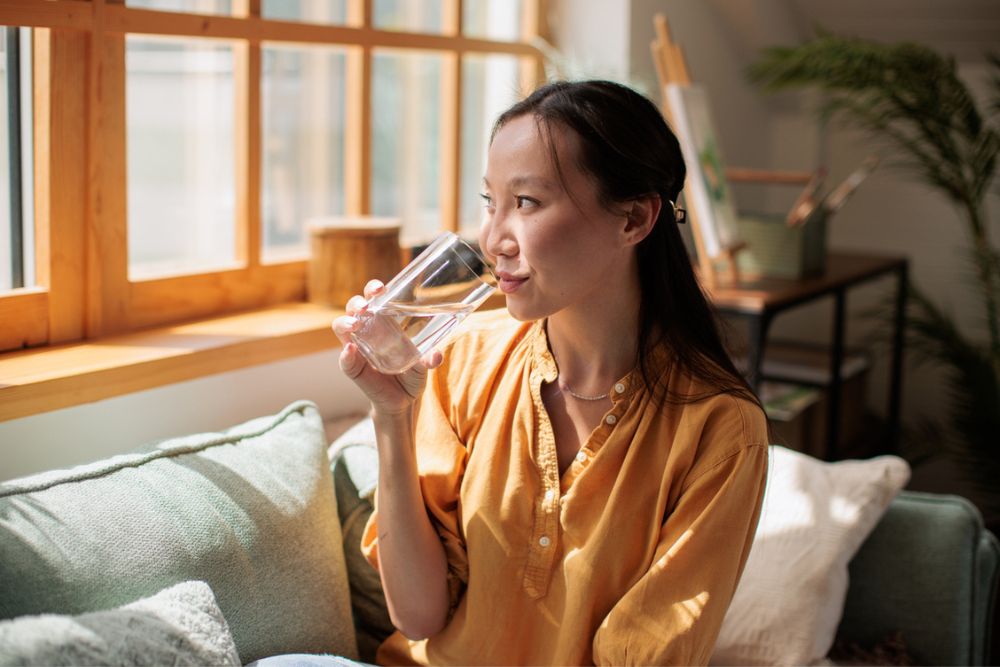
Your recovery is supported by your physical and mental health, so it is important to have healthy habits. Those habits should include drinking plenty of water. Maintaining your body’s hydration is key to staying healthy, and drinking water is the best way to stay hydrated.
There are, of course, many, many other options when you are choosing something to drink, and water might seem quite boring in comparison. But many of those options are far less effective at keeping your body hydrated—and they often have other disadvantages. Soda, juices, and the fancy offerings at the local coffee shop are often high in simple sugars and calories. Meanwhile, coffee and tea can be high in caffeine, which can be disruptive to your efforts to get restful sleep. Water, meanwhile, has no sugar, calories, or caffeine.
We are not suggesting you should only drink water. Your favorite (non-alcoholic) beverage is fine from time to time. But water offers more benefits and fewer downsides.
Jump in to Get Some Exercise
In keeping with the idea that physical health is key to your ongoing recovery, getting regular exercise is a good practice. There are plenty of options for getting exercise in or on water—and for those with joint pain or who are dealing with chronic pain, exercising in water can be a particularly helpful approach.
Swimming is a great aerobic exercise and also builds muscles. Kayaking or canoeing gets you out on the water and offers plenty of exercise as you use your oars to propel yourself. And those are just a couple of options among many. If you have been having trouble finding an exercise you enjoy and haven’t tried something water-based, we suggest you give it a try.
One important note: When exercising in or on water, safety practices are indispensable. Wear a lifejacket in open water. Only swim when there is a lifeguard on duty (or at the very least, make sure you are not alone). Staying safe should, of course, be your top priority around water.
Water Can Offer Rest and Relaxation Options
Many people—perhaps including you—find the sound of running water relaxing. A burbling stream or a waterfall or even a desktop fountain can offer a sense of ease. Others enjoy the sound of rain or even thunderstorms. If these sorts of sounds are soothing to you, you can find audio tracks online that can provide the ambience even if you are nowhere near a stream and the skies are perfectly clear.
In the opening paragraphs of this post, we mentioned a range of activities people can enjoy on water or near water—some of which offer real opportunities to relax. We encourage you to review those options and consider others. Getting regular rest and relaxation supports your recovery, and so you should be intentional about taking time to recharge.
One place to take advantage of the restful options related to water is Clark State Forest, located near Wooded Glen Recovery Center. You can learn more about the lakes (and much more) in the forest here.
Our note about safety in the last section applies here, too. Make sure your efforts to take some time for yourself are not dangerous so you can truly enjoy yourself.
Here Is Something Crystal Clear: We Can Help
Did you know there is a debate about whether water is wet? What there is no debate about is that Wooded Glen Recovery Center can help you overcome a substance use disorder so that you can reclaim your life from drugs or alcohol and create a brighter future for yourself.
Located in Henryville, Indiana, Wooded Glen Recovery Center offers personalized, evidence-based treatment plans that are supported by our experience, expertise, and empathy. From medically supervised detoxification through a rehabilitation program that also includes treatment for co-occurring mental health disorders, we can help you make a transformative change.
We continue to support that change through our alumni program. When your time in treatment comes to an end, you will still have access to support, resources, and a community of alumni who understand the challenges you have faced and are facing now.
When you are ready to leave drugs or alcohol in the past, we are ready to help you achieve that goal.